

For years, Korea’s online landscape has been dominated by large national portals and global social media platforms. They still play a huge role, but something interesting has been happening in recent years. More users are spending time on regional platforms that focus specifically on their own cities and neighborhoods. Platforms like Daebam are steadily gaining traction, and it’s not by accident. This growth reflects a deeper shift in how people want to connect online. Instead of broad, one-size-fits-all content, users are looking for information that feels immediate, relevant, and local. Regional platforms are stepping in to meet that demand in ways larger networks simply can’t replicate.
A Stronger Focus on Local Identity
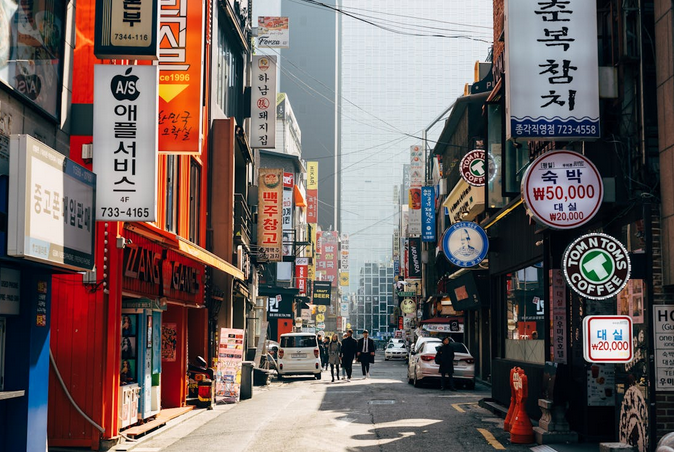
Korea has a rich mix of regional cultures, dialects, and traditions. While national platforms highlight country-wide trends, they often overlook the nuances that make each city unique. Regional platforms thrive by embracing that local identity and putting it front and center. When users explore content connected to the 대밤 공식 소개, they’re not just browsing another website—they’re engaging with something that reflects their own city’s character. This emphasis on place creates a sense of belonging. People are more likely to trust and return to a platform that speaks directly to their daily experiences and surroundings.
Demand for Hyper-Local Information
One major reason for the rise of regional platforms is the demand for hyper-local updates. Residents want to know about new restaurants in their neighborhood, nearby job opportunities, local events, and community news. National platforms often prioritize trending stories with mass appeal, leaving smaller-scale updates buried or ignored. Regional platforms fill that gap. By curating content specifically for a defined geographic area, they make it easier for users to find practical information quickly. This efficiency is especially valuable in busy cities where people rely on their phones to make everyday decisions.
Trust and Familiarity Matter

Trust plays a significant role in online engagement, particularly in close-knit communities. On massive global platforms, interactions can feel anonymous and disconnected. Regional platforms, on the other hand, operate within a shared context. Users often know they’re interacting with neighbors or people who frequent the same districts. This familiarity encourages more thoughtful conversations and stronger accountability. Reviews, recommendations, and discussions carry extra weight because they come from individuals who share the same local environment. Over time, this builds a reliable ecosystem of shared knowledge.
Support for Local Economies
Korea’s regional cities are filled with independent businesses that depend heavily on community support. From family-owned restaurants to small retail shops, many rely on local customers rather than national exposure. Regional platforms provide these businesses with a targeted way to reach nearby audiences. Instead of competing with nationwide brands for visibility, local businesses can stand out within a community-focused space. When residents discover a shop through a trusted regional platform, they’re more likely to visit and recommend it. This cycle of local promotion and support contributes to economic resilience within the city.
An Inevitable Shift for Digital Habits

Another factor driving growth is the evolution of digital habits. Korean users are highly tech-savvy and quick to adopt platforms that offer convenience and value. As people grow more selective about where they spend their online time, they gravitate toward spaces that deliver clear benefits. Regional platforms succeed because they streamline relevant information and reduce noise. Users …